
Average Cost of a Concrete Slab for a Garage in 2026
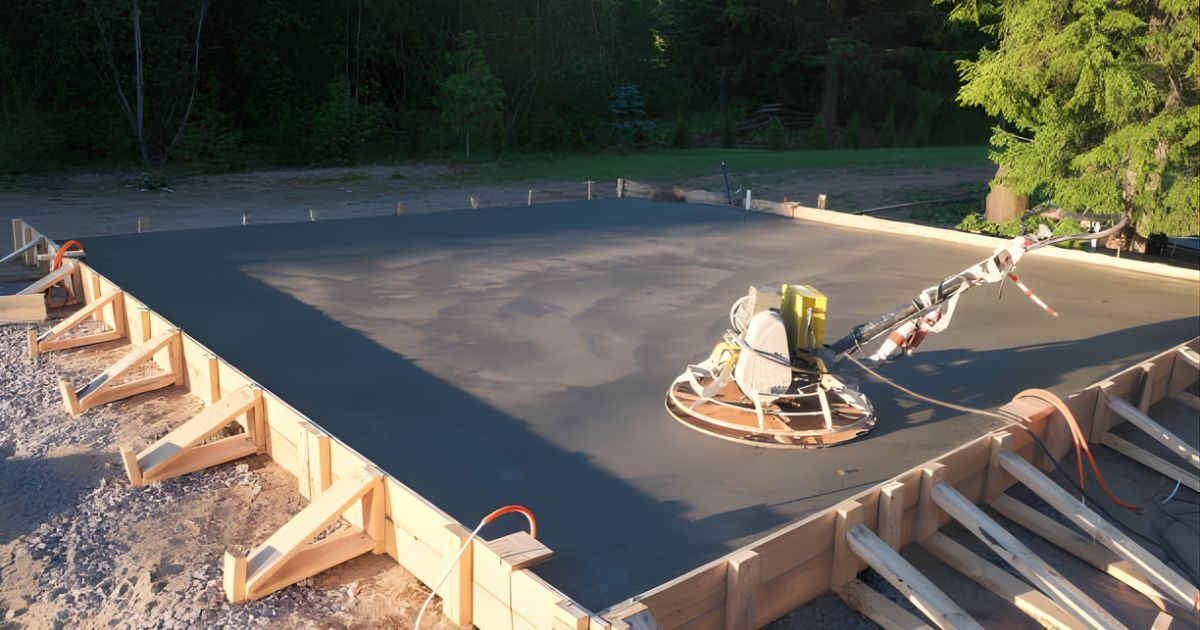
The average garage slab in 2026 costs about 7 to 14 dollars per square foot depending on thickness, reinforcement, and site preparation. A standard two car garage slab often costs 8,000 to 18,000 dollars. A reliable concrete calculator helps estimate volume, materials, and realistic project pricing before construction begins.
Average Cost of a Concrete Slab for a Garage in 2026
The average cost of a concrete slab for a garage in 2026 ranges from about 7 to 14 dollars per square foot across most regions in the United States. The final price depends on slab thickness, reinforcement, excavation, and labor rates.
A typical two car garage slab measuring about 24 by 24 feet often costs between 8,000 and 18,000 dollars installed. Larger garages or workshops can exceed 25,000 dollars when additional site work, thicker footers, or engineering requirements are involved.
Typical Garage Slab Sizes and Their Costs
Common garage slab sizes have predictable cost ranges because contractors price concrete work largely by square footage. The slab area and thickness determine the total volume of concrete required.
Typical installed price ranges in 2026 include
20 by 20 garage slab costs about 5,500 to 10,000 dollars
24 by 24 garage slab costs about 8,000 to 18,000 dollars
30 by 30 garage slab costs about 12,000 to 24,000 dollars
30 by 40 garage slab costs about 18,000 to 35,000 dollars
Large workshops and equipment garages can push costs higher because thicker slabs and deeper footers are often required.
Average Cost Per Square Foot for Garage Slabs
The average garage slab cost per square foot in 2026 typically falls between 7 and 14 dollars installed. Smaller jobs trend toward the higher end because fixed labor costs remain similar regardless of project size.
The square foot price usually includes concrete, reinforcement steel, basic grading, formwork, finishing, and control joints. Complex sites, sloped land, or heavy equipment access requirements can raise the price above the typical range.
How Slab Thickness Affects Garage Concrete Cost
Garage slab thickness directly affects concrete volume and total project cost. Most residential garages use a 4 inch slab while workshops or vehicle storage garages often use 5 or 6 inches.
A thicker slab increases both concrete volume and reinforcement needs. Heavy trucks, RV storage, and equipment garages require thicker slabs to prevent cracking and long term settlement.
Monolithic Slabs Versus Floating Slabs for Garages
Monolithic slabs are often the most durable foundation for garage construction because the slab and footer are poured together as a single piece. This method creates stronger load distribution and reduces settlement risk.
Many contractors build monolithic slabs with integrated footers measuring about 16 inches wide and 8 inches thick. This design supports the wall loads of metal buildings and larger garages with fewer structural issues over time.
Site Preparation Costs for Garage Concrete Slabs
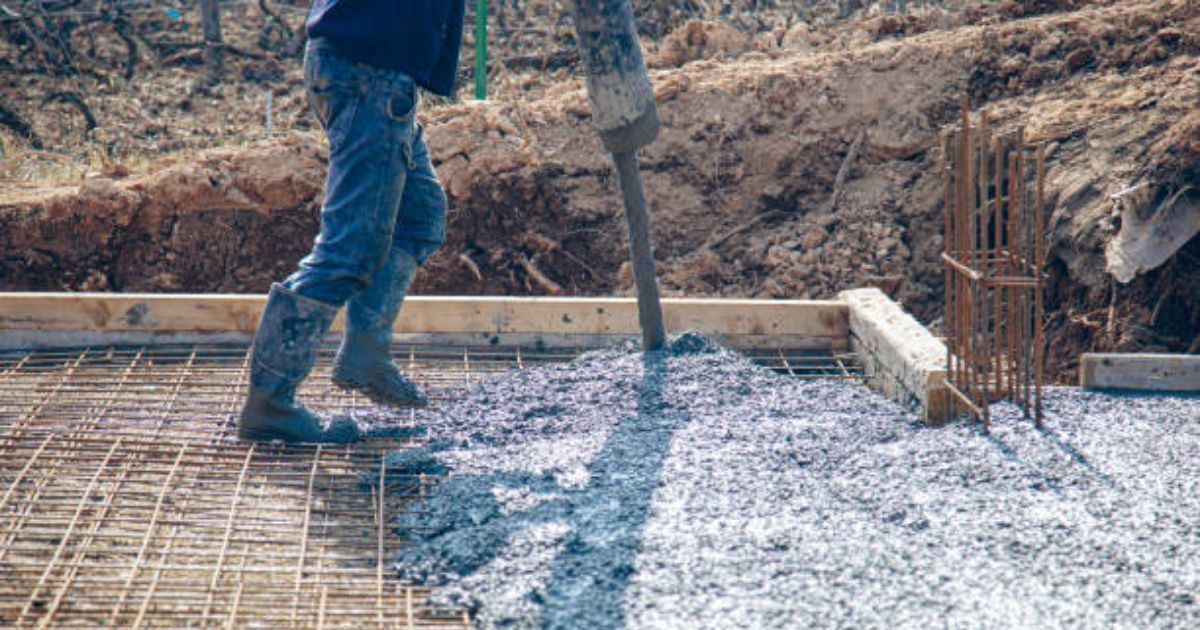
Site preparation is a major factor in the final cost of a garage slab because concrete must sit on stable soil. Proper grading and compaction prevent future cracking and slab movement.
Common site preparation tasks include
Excavation and leveling
Gravel base installation
Soil compaction
Drainage correction
Poor soil conditions can add thousands of dollars to a slab project if extensive grading or fill material is required.
Reinforcement Steel Used in Garage Slabs
Reinforcement steel improves slab durability by controlling cracking and distributing loads across the surface. Most quality garage slabs use rebar or wire mesh embedded inside the concrete.
A common specification uses #3 rebar spaced 18 inches on center throughout the slab. Reinforcement costs are small compared with the long term protection they provide against structural cracking.
Concrete Strength Requirements for Garage Slabs
Garage slabs typically use 3000 PSI concrete because it provides adequate strength for vehicles and normal residential loads. Higher strength mixes may be used when heavy trucks or equipment are stored.
Concrete strength directly affects durability and wear resistance. Lower strength mixes may reduce initial cost but increase the risk of surface damage and cracking over time.
Labor Costs for Concrete Slabs in 2026
Labor represents a large portion of garage slab cost in 2026 because concrete installation requires skilled crews and specialized equipment. Formwork, reinforcement placement, finishing, and curing management all require experience.
Labor costs vary widely by region. Urban areas with higher wages often see slab prices near the top of the 7 to 14 dollar range per square foot.
Regional Price Differences Across the United States
Concrete slab costs vary across the United States because material prices and labor rates differ by region. Transportation distance from ready mix plants also affects final pricing.
Southern states often see slightly lower concrete costs while northern states may pay more due to frost line requirements and higher labor rates. Remote rural sites sometimes face additional delivery charges.
Frost Line Depth and Footer Design
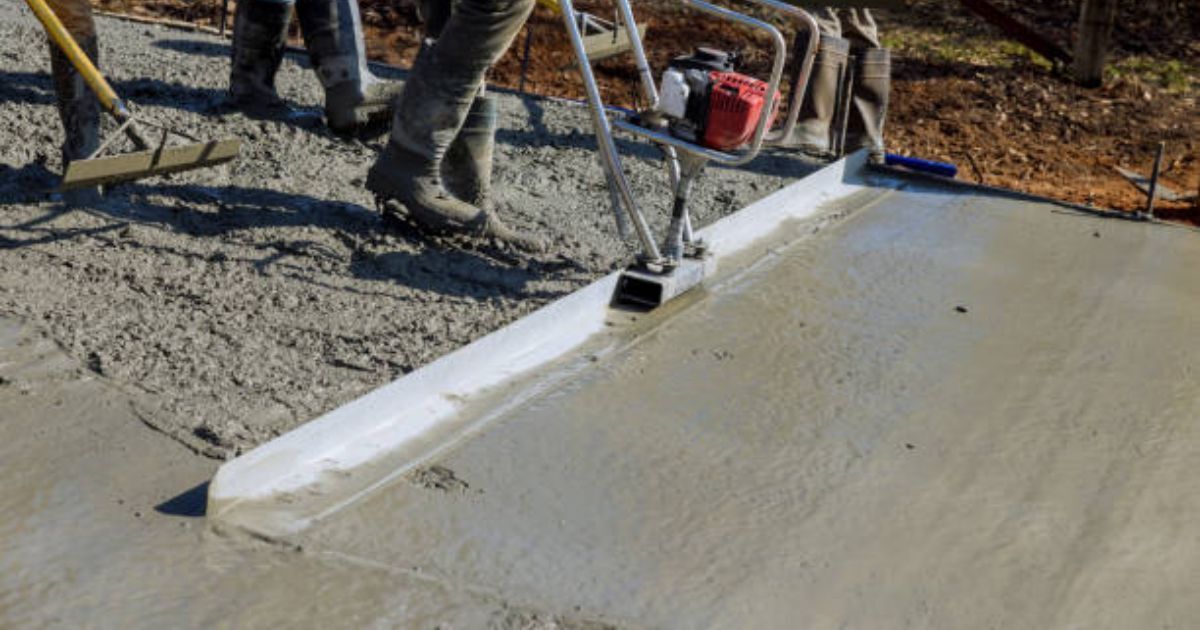
Frost line depth determines how deep garage footers must extend below ground. Colder climates require deeper footers to prevent freezing soil from lifting the foundation.
A typical monolithic garage slab includes footers about 16 inches wide and 8 inches thick with depth adjusted to local frost conditions. Proper footer design prevents long term structural movement.
Concrete Cure Time Before Using the Garage
Concrete requires about 28 days to reach full design strength under normal curing conditions. Contractors usually allow light foot traffic after 24 to 48 hours.
Vehicle traffic should wait at least seven days for most residential slabs. Heavy loads should wait closer to the full curing period to avoid surface damage.
Common Cost Mistakes When Planning Garage Slabs
Underestimating site preparation is one of the most common mistakes in garage slab budgeting. Property owners often focus only on concrete volume and ignore grading and soil preparation.
Other frequent mistakes include
Skipping reinforcement steel
Pouring concrete too thin
Ignoring drainage around the slab
Choosing inexperienced contractors
These shortcuts can lead to expensive repairs within only a few years.
Ways to Reduce Garage Slab Costs Without Sacrificing Quality
Garage slab costs can be reduced through smart planning rather than cutting structural corners. Scheduling work during slower construction seasons sometimes lowers labor pricing.
Property owners can also save money by preparing access to the job site and ensuring the area is cleared before the crew arrives. Good preparation reduces labor time and equipment costs.
Concrete Slabs for Metal Building Garages
Metal building garages require strong foundations because the structure loads transfer directly into the slab and footers. Many metal building projects use monolithic slab systems for this reason.
A properly engineered slab supports the steel structure and prevents uneven settlement. Companies that install metal buildings often coordinate concrete work to match the building anchor points and load requirements.
Using a Concrete Calculator to Estimate Garage Slab Cost
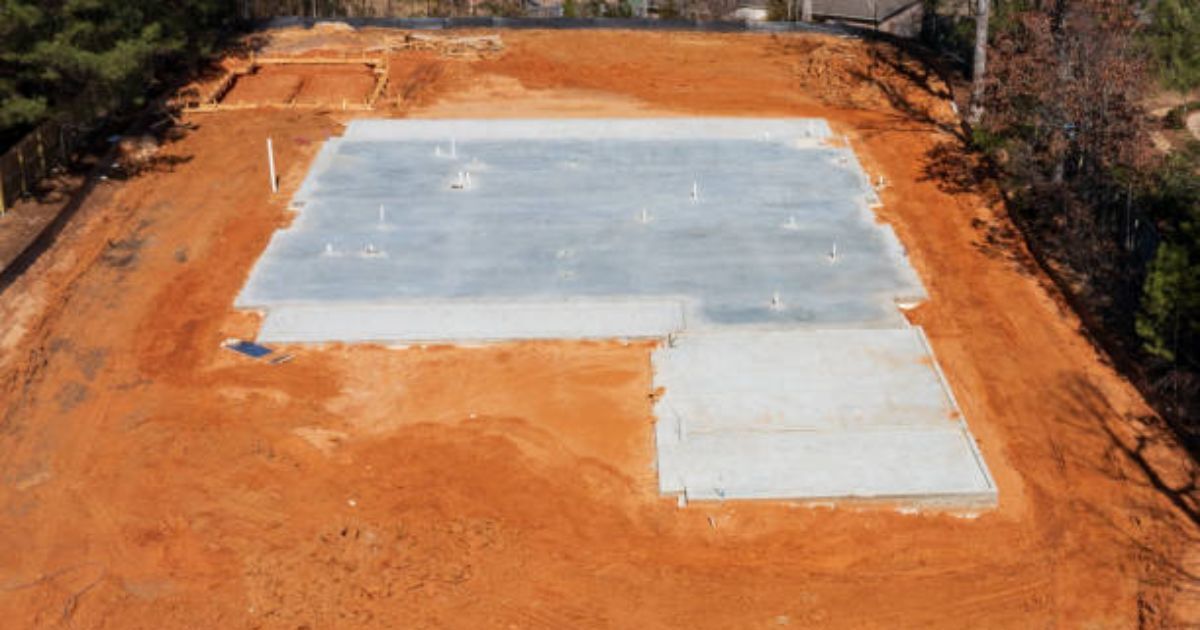
A concrete calculator provides a quick estimate of the concrete volume required for a garage slab. The tool calculates cubic yards based on slab dimensions and thickness.
A reliable concrete calculator helps property owners estimate concrete needs, approximate material costs, and plan a realistic project budget before contacting contractors.
Example Cost Estimate for a 24 by 24 Garage Slab
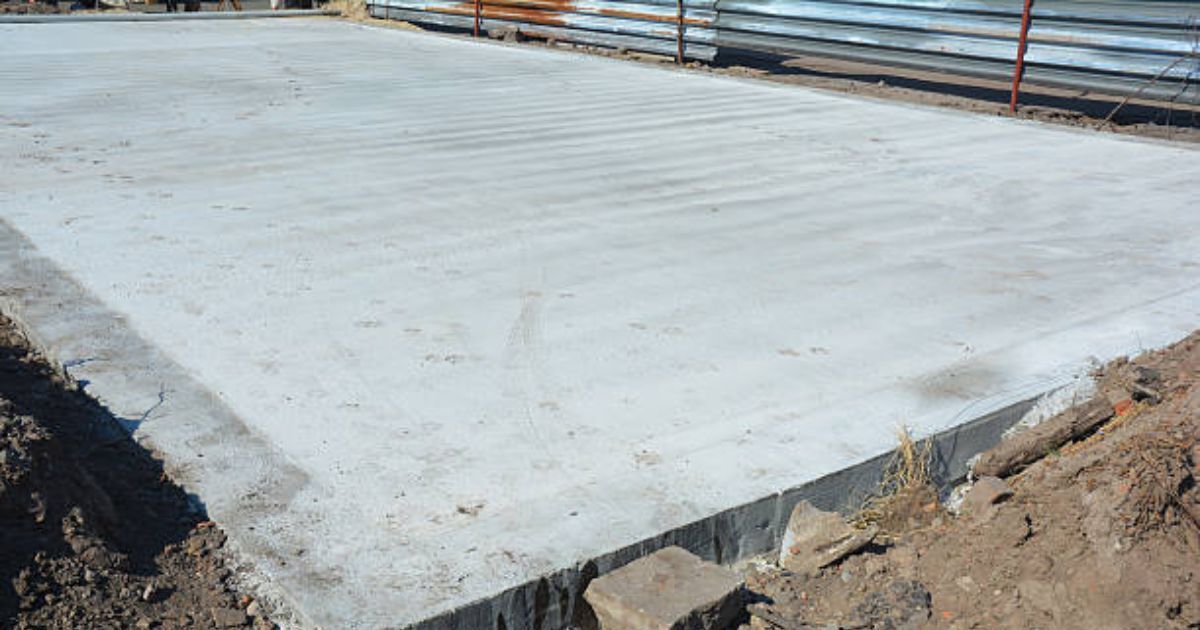
A 24 by 24 garage slab typically requires about 7 to 8 cubic yards of concrete depending on slab thickness. Installed cost in 2026 usually ranges from 8,000 to 18,000 dollars.
The lower end assumes basic site preparation and a standard 4 inch slab. Projects with thicker slabs, deeper footers, or difficult access conditions move toward the higher end of the range.
FAQ About Garage Concrete Slab Costs
Q. How thick should a garage concrete slab be?
A. Most residential garages use a 4 inch slab with reinforced steel. Heavy vehicle storage often requires 5 or 6 inches for additional strength.
Q. How much does a two car garage slab cost in 2026?
A. A standard two car garage slab usually costs between 8,000 and 18,000 dollars installed. Site preparation and reinforcement requirements influence the final price.
Q. How many cubic yards of concrete are needed for a garage slab?
A. A 24 by 24 slab with 4 inch thickness requires about 7 cubic yards of concrete. A concrete calculator helps determine exact material volume.
Q. Is reinforcement steel necessary in garage slabs?
A. Reinforcement steel is strongly recommended because it controls cracking and improves structural performance. Rebar spaced throughout the slab is common practice.
Q. How long should concrete cure before parking vehicles on it?
A. Light vehicles should wait about seven days after pouring. Full strength is reached around 28 days under normal curing conditions.
Q. What causes garage concrete slabs to crack?
A. Poor soil preparation, thin slabs, lack of reinforcement, and improper curing are common causes. Correct construction practices greatly reduce cracking risk.